
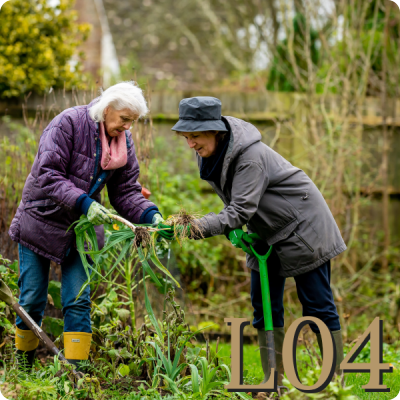
Who they are
Most own their homes outright, hold modest mid-tier incomes, and built their working lives in blue-collar trades, farming, healthcare support, and office roles. Education skews toward high school and some college. Households are small — two-person or solo — with grown children long out of the house. Geographic posture is settled, regional, and oriented around land, weather, and proximity to family rather than career mobility.
Reach them through regional television, broadcast news, country and classic-rock radio, direct mail, and local newspaper inserts. They drive everywhere, fuel up at regional convenience chains, bank with community institutions, and shop hardware, farm-supply, and outlet apparel retailers within a short drive of home. Coffee runs, regional pizza shops, and family diners define their food culture; weekends bring state parks, RV trips, gardening, and grandkids. Creative should lean on plainspoken warmth, regional pride, and practical value — never urban irony or aspirational gloss.
Older married couples and singles anchored in rural communities and small towns, predominantly Caucasian, with the head of household typically in their sixties or seventies.
Cultural context is for creative relevance, language and representation only. It is never a basis to include or exclude audiences, or for housing, employment or credit targeting.